

 | |
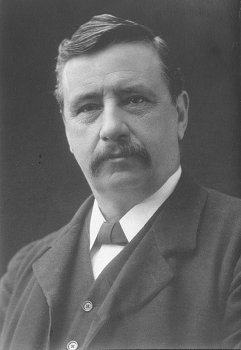
| Born | 22 December 1843 Coalbrookdale Shropshire |
| Died | 5 December 1915 | Age 71 Ironbridge |
Thomas Parker 1884
The first production Electric Vehicle EV car was made by Thomas Parker in 1884.Contents Thomas Parker 1884 Inventive genius Modern features First mention Bersey Electric Taxi Britain's Red Flag Act
Inventive genius
Parker was a very inventive pioneer in the electrical field. He was responsible for electrifying the London Underground and Blackpool electric Tram.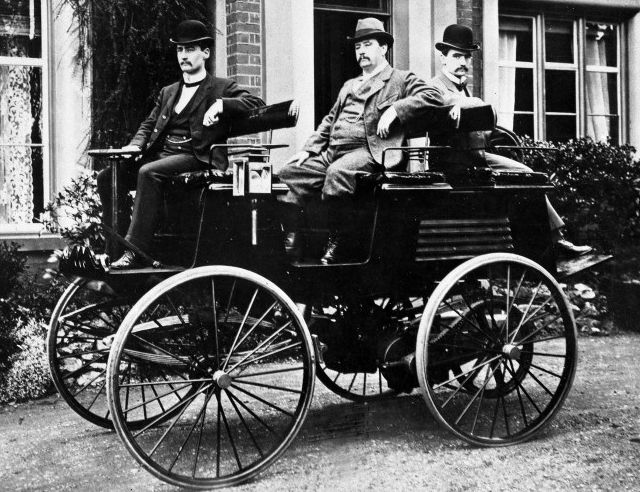
In October 1882 Parker moved to Wolverhampton to go into business with Paul Bedford Elwell.
Soon Elwell and Parker were manufacturing accumulators and dynamos for customers like Trafalgar Colliery in the Forest of Dean, for electric lighting in the mine and the tramway in Blackpool.
Modern features
The Elwell-Parker car was fitted with Parkers high-capacity rechargeable batteries, later vehicles had hydraulic brakes on all four wheels, as well as four-wheel steering. These features are even now being described as revolutionary.In 1888 Elwell-Parker Ltd. agreed to consolidate with other companies to form the Electric Construction Corporation.
First mention
Even earlier the very first electric car was made by Scotsman Robert Anderson around 1835 but at this time electric motors were in their infancy and the power would have been poor.Bersey Electric Taxi
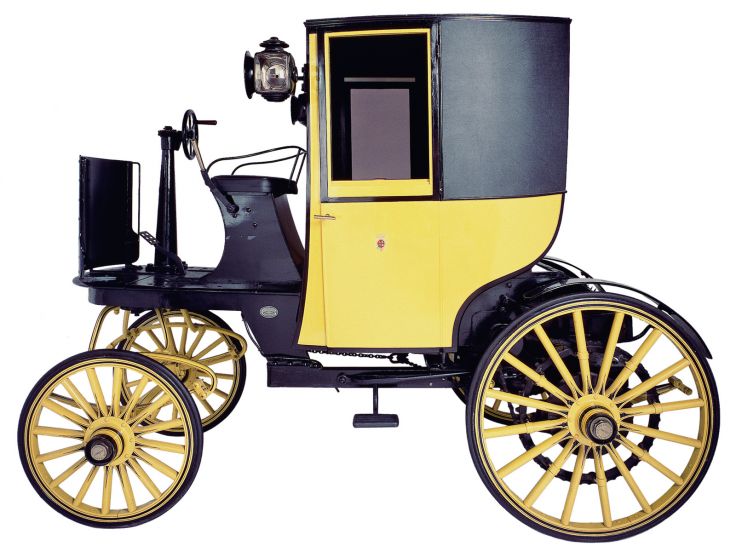
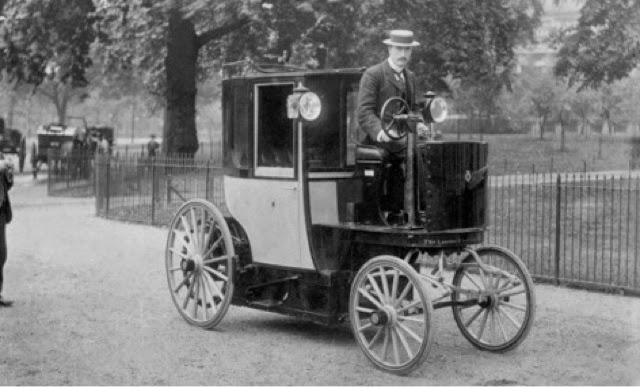
There was plenty of competition for electric vehicles with Bersey producing taxis. With a top speed of 9-12 mph, Walter Bersey’s taxis were the first self-propelled vehicles for hire. Although the range was around 38 miles it did not need to recharged, instead the batteries were swapped out in around 3 minutes (about the same as fueling a car today), perhaps the manufacturers of new electric vehicles and Formula E could learn a lesson here?
The Horseless Car got off to a slow start in Britain thanks to the “Red Flag Act” which stated that any vehicle not horse drawn must have two drivers and be preceded by a man waving a red flag as a warning to other road users. This draconian measure was introduced as a safety measure but was designed to protect horse carriage operators afraid of losing their business.
Britain's Red Flag Act
In 1865 Britain introduced the 'Locomotives on Highways Act'. Better known as the 'Red Flag Act'.
The act stipulated that all mechanically powered road vehicles must:
- Have a crew of three operators.
- Not exceed 4 mph on the open road and 2 mph in towns.
- Be preceded by a man on foot waving a red flag to warn the public.
The speed limit stood until 1896 when it was raised to 14 mph! These draconian measures crippled Britain from leading the way with automobiles.
Tags: Car Electric Vehicle EV Taxi Hire Battery